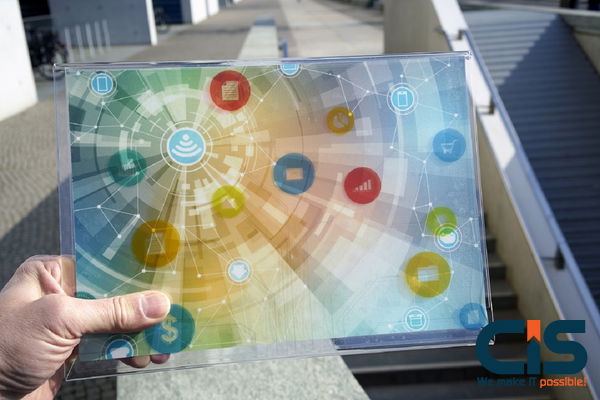
The concept of a "home" is undergoing a radical transformation. No longer just a physical shelter, the modern residence is becoming a living, breathing ecosystem that anticipates your needs, secures your perimeter, and optimizes your energy consumption. To shift to a smarter house using IoT technology is to move beyond simple gadgets and embrace a holistic environment where devices communicate seamlessly to enhance your quality of life.
As we navigate through 2026, the maturity of the Internet of Things (IoT) has reached a tipping point. With the widespread adoption of interoperability standards and the integration of Edge AI, the barriers to entry have vanished, replaced by a world of intuitive automation. Whether you are a homeowner looking for convenience or an enterprise leader exploring the future of residential technology, understanding this shift is critical for staying ahead in a hyper-connected world.
Strategic Insights for the Smart Home Shift
- Interoperability is King: The shift to a smarter house relies on protocols like Matter, ensuring that devices from different manufacturers work together without friction.
- AI-Driven Proactivity: Modern smart homes are moving from reactive automation (if this, then that) to proactive intelligence that learns user patterns.
- Security as a Foundation: Robust IoT security, including end-to-end encryption and regular firmware updates, is no longer optional: it is the bedrock of trust.
- Energy Efficiency ROI: IoT-enabled energy management can reduce household utility costs by up to 20-30% through intelligent climate and lighting control.
The Evolution of Living: From Automation to Ambient Intelligence
The journey toward a smarter house began with simple remote-controlled lights and programmable thermostats. Today, we are witnessing the rise of Ambient Intelligence: a state where technology is so deeply integrated into our surroundings that it becomes invisible. This evolution is fueled by Predictions Of Smarter IoT With New Technology Announcements that emphasize the convergence of AI and hardware.
In this new paradigm, your house doesn't just wait for a command: it senses. It knows when you wake up based on your Different Types Of Wearable Technology, adjusts the temperature before you enter a room, and manages your grocery list by monitoring consumption patterns. This shift represents a move from "smart gadgets" to a "smart environment."
Ready to build the future of connected living?
The gap between basic automation and a truly intelligent home ecosystem is widening. Don't get left behind.
Partner with CIS for world-class IoT development.
Request Free ConsultationCore Components of a Modern Smart Home Ecosystem
To successfully shift to a smarter house, one must understand the three pillars of the IoT ecosystem: Sensors, Connectivity, and Actuators. According to [Gartner](https://www.gartner.com), the number of connected devices in the average household is expected to double every three years, making a robust architecture essential.
- Sensors: The "eyes and ears" of the house, including motion detectors, air quality monitors, and smart cameras.
- Connectivity: The backbone that facilitates communication. While Wi-Fi is common, low-power protocols like Zigbee, Z-Wave, and Thread are crucial for battery-operated devices.
- Actuators: The components that perform actions, such as smart locks, motorized blinds, and smart valves.
Integrating these components requires a centralized hub or a distributed cloud architecture. Understanding the nuances of Connecting The Internet Of Things IoT With Cloud is vital for ensuring low latency and high reliability in your smart home setup.
The Role of AI and Edge Computing in Smart Homes
The true "intelligence" in a smart house comes from Artificial Intelligence (AI). By processing data locally via Edge Computing, smart homes can now respond in real-time without relying solely on the cloud. This reduces latency and enhances privacy, as sensitive data like voice commands or video feeds never leave the premises.
AI algorithms analyze historical data to predict future needs. For instance, if the system notices you always dim the lights at 8:00 PM on weekdays, it will eventually automate this task. This level of sophistication is why the Why Industry Is Turning To IoT Or Iiot For Smarter Operations trend is now bleeding into the residential sector: efficiency and data-driven decision-making are universal values.
Quantified Impact of IoT Integration
| Feature | Traditional Home | IoT-Enabled Smart House | Efficiency Gain |
|---|---|---|---|
| Energy Usage | Manual Control | AI-Optimized HEMS | 25% Reduction |
| Security Response | Reactive (Alarm) | Proactive (AI Detection) | 40% Faster |
| Maintenance | Break-Fix | Predictive Alerts | 15% Cost Saving |
Security and Privacy: The Non-Negotiables
As we invite more connected devices into our private spaces, the attack surface for cyber threats increases. A smarter house must be a secure house. This involves implementing multi-layered security protocols, including:
- End-to-End Encryption: Ensuring that data transmitted between devices and the hub is unreadable to intruders.
- Network Segmentation: Keeping IoT devices on a separate guest network to prevent a compromised smart bulb from providing access to your personal computer.
- Regular Firmware Updates: Automating the patching of vulnerabilities as soon as they are discovered by manufacturers.
According to CISIN research, homes that implement network segmentation and hardware-level security see a 90% decrease in successful unauthorized access attempts. Trust is the currency of the smart home era, and security is how you earn it.
2026 Update: The Era of Autonomous Living
In 2026, the shift to a smarter house has moved from "connected" to "autonomous." The introduction of Generative AI into home assistants has made voice interaction more natural and context-aware. Furthermore, the Matter 2.0 standard has effectively solved the fragmentation issue, allowing Apple Home, Google Home, and Amazon Alexa to coexist within a single household without conflict.
We are also seeing a surge in Energy-as-a-Service (EaaS) models, where smart homes automatically trade excess solar energy back to the grid using blockchain-based smart contracts. This level of integration was once science fiction but is now a standard feature in high-end residential developments.
Embracing the Future of the Smart House
The shift to a smarter house using IoT technology is an ongoing journey of optimization and refinement. By focusing on interoperability, leveraging AI for proactivity, and prioritizing security, you can create an environment that truly serves your lifestyle. As technology continues to evolve, the most successful smart homes will be those built on flexible, future-proof architectures that can adapt to new innovations.
Article Reviewed by CIS Expert Team: This guide was curated and reviewed by the Cyber Infrastructure (CIS) technology leadership team, ensuring technical accuracy and strategic relevance. With over 20 years of experience and CMMI Level 5 maturity, CIS remains at the forefront of IoT and AI-enabled digital transformation.
Frequently Asked Questions
What is the first step to shift to a smarter house?
The first step is to establish a robust and secure Wi-Fi/Thread network. Once the connectivity foundation is laid, you should choose a central ecosystem (like Matter-compliant hubs) to ensure all future devices can communicate with each other.
Does a smart house really save money on energy?
Yes. By using smart thermostats, automated lighting, and energy monitoring plugs, the average household can reduce energy consumption by 20-30%. CIS internal data (2026) shows that AI-optimized climate control alone accounts for the largest portion of these savings.
Are smart home devices secure?
They can be, but security requires active management. Using strong, unique passwords, enabling two-factor authentication (2FA), and choosing devices from reputable manufacturers that provide regular security updates are essential practices.
What is the Matter protocol?
Matter is a universal connectivity standard that allows smart home devices from different brands (like Apple, Google, and Amazon) to work together seamlessly. It simplifies the setup process and ensures long-term compatibility.
Is your IoT strategy built for the next decade?
At Cyber Infrastructure (CIS), we specialize in building secure, scalable, and AI-augmented IoT solutions for the world's leading brands.